An open access door on stainless kitchen exhaust ductwork under a work light, a thin film of grease on the inner wall

Guide

NFPA 96 and commercial hood cleaning requirements

How often a commercial kitchen exhaust system is inspected depends on what it cooks and how much. Cleaning follows when an inspection finds grease deposits. Here is the framework in plain language, with the official sources.

In plain language

What NFPA 96 is

NFPA 96 is the National Fire Protection Association's standard for ventilation control and fire protection of commercial cooking operations. It covers the hood, ductwork, exhaust fan and related parts of a kitchen exhaust system, and how they are inspected and maintained.

Commercial kitchen exhaust systems require routine inspection and cleaning to control grease buildup and support fire safety. NFPA 96 inspection frequency is based on cooking volume and equipment, ranging from monthly for certain solid-fuel operations to annually for qualifying low-volume kitchens. When grease contamination is found, the affected portions of the exhaust system must be cleaned.

Inspection frequency

Inspection versus cleaning

These are inspection frequencies, not a fixed cleaning calendar. An inspection checks the system; cleaning is triggered by the grease-laden deposits it finds.

Actual obligations also depend on the adopted code edition, local amendments, the authority having jurisdiction, system condition, cooking methods and inspection findings.

NFPA 96 inspection frequency by type of cooking operation
InspectFor systems serving
MonthlySystems serving solid-fuel cooking operations
QuarterlySystems serving high-volume cooking, such as 24-hour cooking, charbroiling or wok cooking
Every six monthsSystems serving moderate-volume cooking operations
AnnuallySystems serving low-volume cooking, such as churches, senior centers or seasonal businesses
NFPA 96 inspection frequency by cooking operation. Cleaning is required when an inspection finds grease deposits.

Cooking and equipment

What changes your schedule

The harder and hotter a kitchen cooks, the faster grease-laden vapour loads the system, and the more often NFPA 96 expects it to be inspected.

  • Solid-fuel cooking, such as wood or charcoal
  • Charbroiling and wok cooking
  • 24-hour or very high-volume operation
  • Moderate-volume cooking in a typical restaurant day
  • Low-volume or seasonal kitchens

What gets inspected and cleaned

The whole system, not just the hood

A complete kitchen exhaust system includes the hood, filters where applicable, ductwork, the exhaust fan and the accessible components grease reaches along the way. Contaminated portions anywhere on that path are part of the cleaning.

  1. Hoodover the cooking line
  2. Filtersinside the hood, where fitted
  3. Ductworkcarries the air on
  4. Exhaust fandraws the air through
  5. Grease containmentcatches what collects at the fan
How a commercial kitchen exhaust system is laid out: hood and filters over the cooking line, ductwork carrying the air on, the exhaust fan that draws it through, and the grease containment that catches what collects1 Hood2 Filters3 Ductwork4 Exhaust fan5 GreasecontainmentCooking line

How it applies where we work

Where we work

Utah

Utah's State Fire Marshal lists NFPA 96, 2024 edition, among the adopted standards for kitchen exhaust system cleaning, and publishes the monthly, quarterly, semiannual and annual inspection framework based on cooking volume and equipment.

Utah requires kitchen exhaust inspection and cleaning companies and technicians to meet state licensing and certification requirements, and requires service reporting, including completion and deficiency information, as applicable.

Exhausted is a Utah-licensed kitchen exhaust system service company and performs commercial kitchen exhaust cleaning in accordance with applicable NFPA 96 and fire-safety requirements.
Where we work

Southern Idaho

Idaho identifies the 2018 International Fire Code as the statewide minimum fire-code standard, and the Idaho State Fire Marshal's hood-system plan-review materials require commercial hood systems to demonstrate compliance with NFPA 96.

Local fire authorities and the authority having jurisdiction may control enforcement and local requirements. In Idaho, we clean in accordance with applicable NFPA 96 and local fire-code requirements; confirm your kitchen's requirements with your local authority.

Questions

NFPA 96 questions

Something else? Ask when you request a quote.

How often does my restaurant hood need to be cleaned?

It depends on how your kitchen operates and what an inspection finds. High-volume restaurants, charbroilers, wok cooking, 24-hour kitchens, and solid-fuel systems may require much more frequent inspection and cleaning than lower-volume commercial kitchens. Exhausted can help establish an appropriate service schedule based on the cooking operation, system condition, and applicable fire-safety requirements.

Is there one cleaning interval that applies to every kitchen?

No. NFPA 96 sets how often a system is inspected, from monthly to annually depending on the cooking operation. Cleaning is required when an inspection finds grease deposits, so two kitchens can need very different schedules.

Who decides what my kitchen must do?

The adopted fire code and the authority having jurisdiction — usually your local fire authority. Confirm your specific requirements with them. This page explains the general framework; it is not legal advice.

Will a cleaning make sure I pass an inspection?

No cleaning company can promise that. Cleaning removes grease deposits from the parts of the system that are serviced; inspection outcomes and insurance decisions belong to the inspector and the insurer.

Sources

Where this comes from

Checked against these official sources on September 18, 2026. Codes and licensing records change; final requirements are set by the applicable code and the authority having jurisdiction. This page is general information, not legal advice.

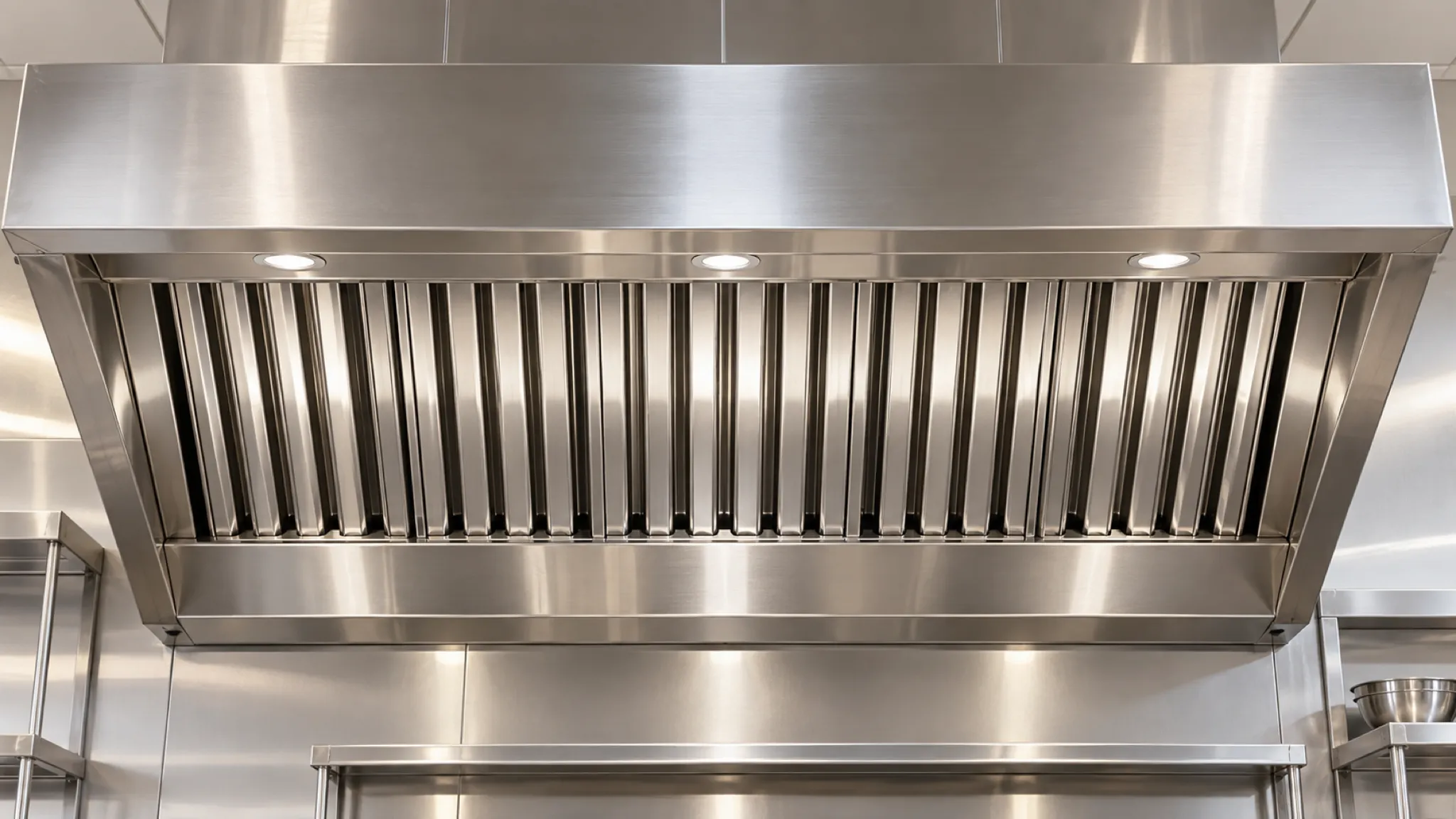
A spotless stainless exhaust hood seen from below, its baffle filters clean and evenly aligned

Set the right schedule for your kitchen

Call anytime for a free quote.